
Heading into Fall
Leah Ten Napel – Extension Field Agronomist
The calendar has flipped to September, and the cooler weather is hinting at fall right around the corner. Corn and soybean crops are getting closer to maturity, and silage is being chopped. It is a great time of year to look back on the conditions of the 2025 growing season to get a sense of what we can expect for yields when the combines start to roll.
The growing season began with soil profiles near full of moisture. For northwest Iowa, this is close to 10 inches of moisture in the top 5 feet of the soil profile. Thankfully, the profiles were not over-saturated, which gave farmers in our area a long open planting season. Crops went in the ground early with few delays, and soil temperatures and conditions made for a suitable environment for seed germination in most fields.
As the crops emerged, rainfall was adequate and temperatures satisfactory, which led to quick growth in corn and average growth in soybeans. The one major pest during the vegetative growth stages of the crops was weeds, more specifically, Waterhemp. Many of my calls over the beginning of the summer focused on weed control.
Rainfall continued throughout the state, heavier than ideal in some areas of the state. Wind and hailstorms caused damage to crops in pocketed areas of our region. Depending on the growth stage of the crops, some were permanently damaged while others recovered.
As crops continued into the reproductive stages, we began to see some disease pressure. Crops had stayed relatively disease and insect-free up until this time. The main diseases we are seeing now are Southern Rust and Tar Spot in corn. Both diseases vary in severity based on location and hybrid. Fungicide applications can assist with these diseases depending on the timing of the infection. The yield effects that these diseases cause will vary based on the severity of the disease and the stage of the crop. One major issue growers are dealing with is the cost of pest control. Although additional applications may keep disease pressure low, it may not make economic sense to do so with low grain market prices. Keeping the cost of production low is critically important for farmers at this time.
This institution is an equal opportunity provider. For the full non-discrimination statement or accommodation inquiries, go to www.extension.iastate.edu/legal
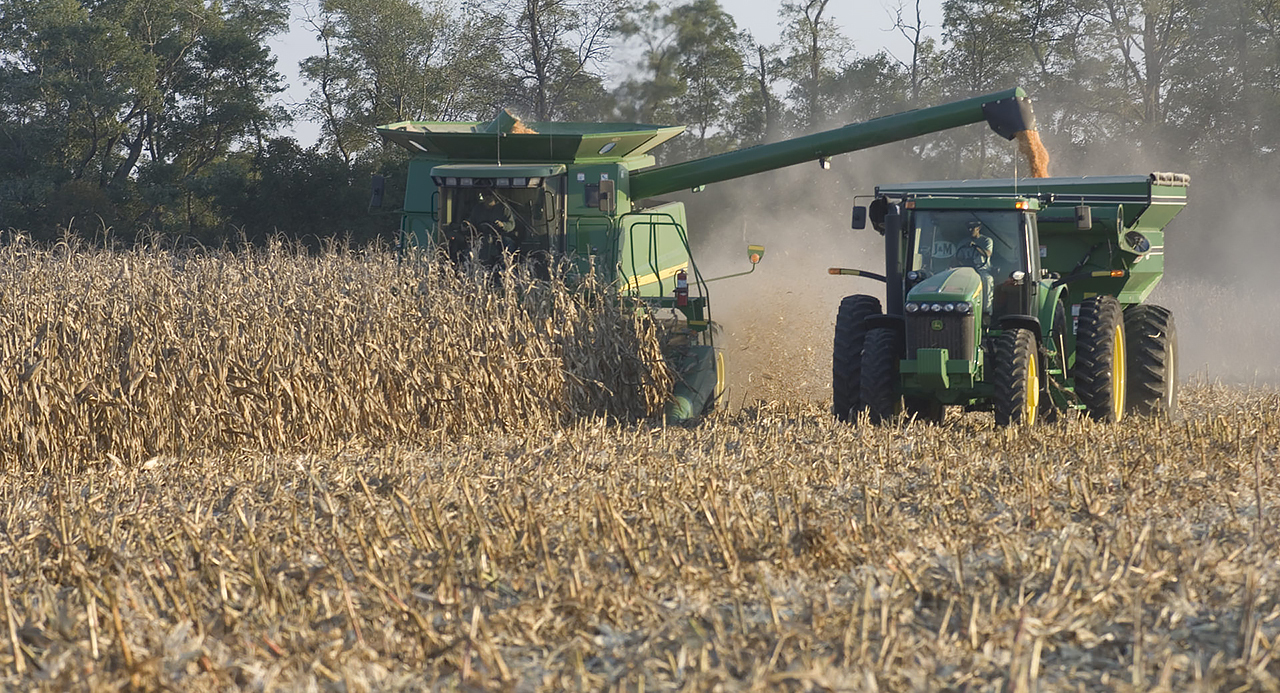
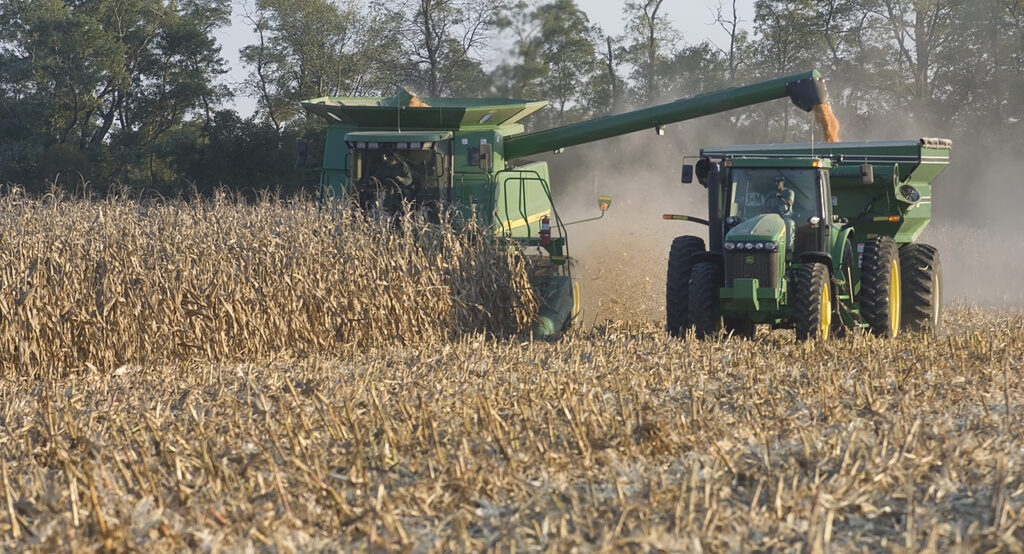
Overall, I am optimistic about the yields we will see this fall in northwest Iowa, and I believe many farmers are as well. Wishing everyone a safe and prosperous harvest season!